

What is Wellness?
Wellness is clearly a common concept that is often mentioned in the context of health. Although wellness is a multifaceted active process that culminates in a more successful and fulfilling life, health in itself is a state of well being that incorporates physical, mental and social factors.
The World Health Organization defines wellness as "the optimal state of health of individuals and groups"
According to the WHO, wellness has two cardinal concerns,
- The achievement of individuals' fullest potentials physically, psychologically, socially, spiritually and economically
- Carrying out individuals' expectation in the family, community, place of worship, workplace and other settings.
Our Vision
Our Mission

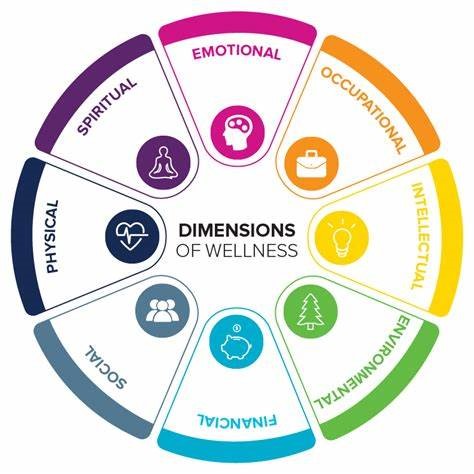
7 elements of Wellness
Why Wellness is Important?
Improved Quality of Life: Wellness practices help individuals lead healthier and more fulfilling lives. When you take care of your physical and mental health, you are more likely to have a higher quality of life, experience less illness and enjoy greater longevity.
Physical Health: Wellness practices such as regular exercise, a balanced diet and adequate sleep can help prevent chronic diseases like heart disease, diabetes and obesity. Maintaining physical wellness also enhances your immune system and overall energy levels.
Mental Health: Prioritizing mental wellness through practices like mindfulness, stress management and seeking support when needed can lead to reduced anxiety, depression and other mental health issues. It contributes to better cognitive functioning and emotional stability.
Mental Health: Prioritizing mental wellness through practices like mindfulness, stress management and seeking support when needed can lead to reduced anxiety, depression and other mental health issues. It contributes to better cognitive functioning and emotional stability.
Emotional Well-Being: Emotional wellness involves understanding and managing your emotions effectively. It can lead to healthier relationships, improved self-esteem and better decision-making skills. Emotional wellness allows you to cope with life's challenges more effectively.
Productivity and Performance: When you're physically and mentally well, you're more likely to perform well in your work or studies. Wellness practices can boost your focus, creativity and productivity leading to greater success in your endeavors.
Stress Reduction: Wellness activities such as meditation, yoga and relaxation techniques can help reduce stress. Chronic stress can have detrimental effects on your physical and mental health so managing it is crucial.
Preventative Healthcare: Focusing on wellness can help identify health issues early and prevent them from worsening. Regular check-ups and screenings are essential components of wellness that can catch potential problems before they become serious.
Increased Energy and Vitality: Engaging in wellness practices can lead to higher levels of energy and vitality allowing you to enjoy life more fully and participate in the activities you love.
Longevity: : Studies have shown that people who prioritize wellness tend to live longer, healthier lives. By taking care of your body and mind you increase your chances of a longer and more active lifespan.
Happiness and Well-Being: Overall wellness contributes to a sense of happiness and well-being. When you feel good physically and mentally, you're more likely to experience a positive outlook on life and enjoy it to the fullest.
How is wellness impacting us and the society
Prioritizing wellness not only benefits individuals by enhancing their health and well-being but also contributes to the overall vitality, productivity, and resilience of society as a whole. By investing in wellness at both the individual and societal levels, we can create healthier, happier communities and a more sustainable future for all.
Wellness helps in building healthy relationships.
Helps you to become comfortable with who you are in social situations .
Having a supportive social network allows you to develop assertive skills.
Surrounding yourself with a positive social network increases your self-esteem.
Having good social wellness is critical to building emotional resilience.
What is in it for you?
Overall, being part of a wellness community enriches one's life by providing a supportive, nurturing environment where individuals can thrive and flourish in all aspects of their well-being.
Here's what you envision being part of a wellness community:
- 1. Be part of Supportive Networks
- 2. Mindfulness and Stress Management
- 3. Participate in varied Physical Activity calendars through the month
- 4. Get enriched by the educational and empowerment campaigns
- 5. Environmental Consciousness
- 6. Creativity and Expression
- 7. Social Service and Giving Back
- 8. Engage in self-disclosure as a means of enhancing personal and professional growth
- 9. An opportunity for you to express your talents in a way that helps others as well